
What Is It?
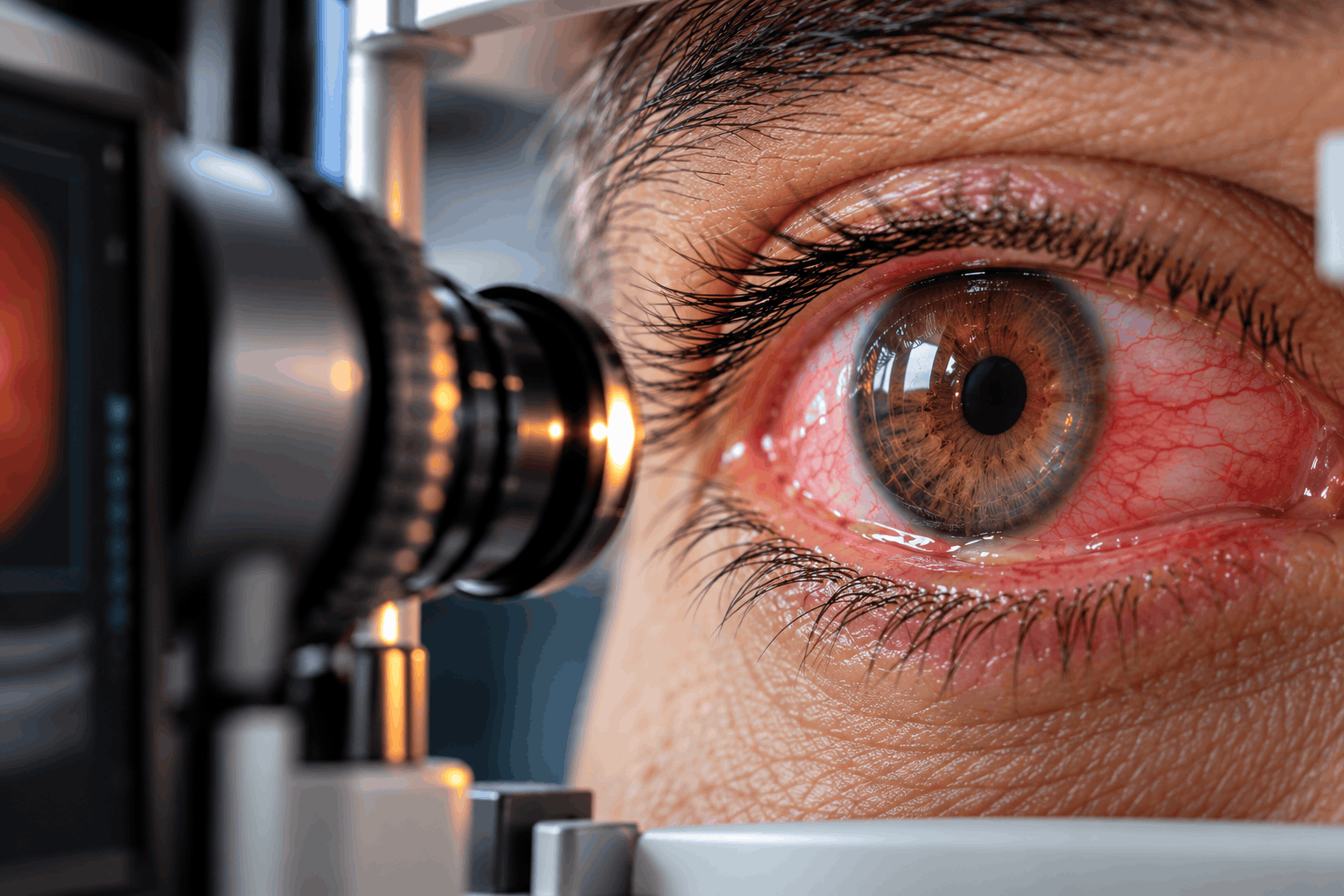
Conjunctivitis, commonly called pink eye, is inflammation of the conjunctiva, the thin, transparent membrane that covers the white part of the eye and lines the inside of the eyelids.
When this membrane becomes inflamed, its blood vessels become more visible, making the eye appear pink or red. The condition may affect one or both eyes.
Conjunctivitis is common in children and adults. Its symptoms and treatment depend on the underlying cause.
There are several main types:
1. Viral Conjunctivitis
Viral conjunctivitis is frequently caused by adenoviruses and may occur alongside a cold or respiratory infection.
It typically causes watery discharge, redness, and irritation. It often begins in one eye and can spread to the other.
Many cases improve without specific antiviral medication, but some viral infections can involve the cornea and require specialist care.
2. Bacterial Conjunctivitis
Bacterial conjunctivitis is caused by bacterial infection of the conjunctiva.
It may produce thicker discharge, crusting, and eyelids that stick together, especially after sleeping.
Many mild cases resolve without complications, although antibiotic treatment is appropriate in selected patients.
3. Allergic Conjunctivitis
Allergic conjunctivitis develops when the eyes react to allergens such as pollen, dust mites, mold, or animal dander.
It commonly affects both eyes and causes prominent itching, watering, and redness.
Unlike infectious conjunctivitis, allergic conjunctivitis is not contagious.
4. Irritant-Related Conjunctivitis
Smoke, pollution, chemical irritants, or other environmental exposures may irritate the conjunctiva.
The severity depends on the substance involved. A chemical splash into the eye is an emergency requiring immediate irrigation and medical care.
Viral and bacterial conjunctivitis can spread between people, while allergic conjunctivitis does not.
Although most uncomplicated cases improve without permanent vision problems, certain infections and inflammatory conditions can damage the cornea.
Accurate diagnosis is important because a red eye is not always conjunctivitis. Keratitis, uveitis, acute glaucoma, and other serious eye disorders can produce similar symptoms.
Treatment should address the underlying cause rather than redness alone.
Symptoms
Symptoms of conjunctivitis vary according to its cause and severity.
Common symptoms include:
• Pink or red appearance of the white of the eye.
• Watery eyes or excessive tearing.
• Itching, burning, or irritation.
• A gritty or foreign-body sensation.
• Swollen eyelids.
• Eye discharge.
• Crusting around the eyelashes.
• Eyelids sticking together after sleep.
• Mild temporary blurring caused by tears or discharge.
• Contact lens discomfort.
Symptoms Associated With Viral Conjunctivitis
• Watery discharge.
• Redness and irritation.
• Symptoms beginning in one eye and later involving the other.
• Possible association with a sore throat, cold, or respiratory illness.
Symptoms Associated With Bacterial Conjunctivitis
• Mucus or pus-like discharge.
• Eyelids sticking together.
• Redness and swelling.
• Discharge that returns after the eyes are cleaned.
Symptoms Associated With Allergic Conjunctivitis
• Prominent itching.
• Redness in both eyes.
• Watering and eyelid swelling.
• Associated sneezing, nasal itching, or seasonal allergy symptoms.
These symptom patterns may overlap and cannot always identify the cause reliably without examination.
Important Warning Signs
Seek prompt or urgent medical evaluation if conjunctivitis-like symptoms are accompanied by:
• Moderate or severe eye pain.
• Reduced or persistently blurred vision.
• Significant sensitivity to light.
• Intense redness.
• A white spot or opacity on the cornea.
• Rapidly increasing swelling or heavy pus-like discharge.
• Symptoms after contact lens use, particularly with pain or light sensitivity.
Newborn babies with a red or discharging eye require immediate medical assessment.
A painful red eye in a contact lens wearer must be assessed promptly because microbial keratitis can threaten vision.
Causes
Conjunctivitis can develop from infectious, allergic, or noninfectious causes.
1. Viral Infections
Adenoviruses are among the most common infectious causes.
Other viruses, including herpes simplex and varicella-zoster viruses, can also affect the conjunctiva and may involve other eye structures.
Viral conjunctivitis can spread through infected tears, contaminated hands, shared objects, or contact with respiratory secretions.
2. Bacterial Infections
Bacterial conjunctivitis may be caused by organisms such as:
• Staphylococcus species.
• Streptococcus pneumoniae.
• Haemophilus influenzae.
• Other bacterial organisms.
Certain less common infections, including gonococcal or chlamydial conjunctivitis, require specific investigations and systemic treatment.
Gonococcal conjunctivitis can progress rapidly and is an ophthalmic emergency.
3. Allergic Reactions
Allergens can trigger an immune response within the conjunctiva.
Common triggers include:
• Pollen.
• Dust mites.
• Animal dander.
• Mold.
• Certain cosmetics or other substances contacting the eyes.
4. Environmental Irritants
Smoke, pollution, fumes, and other irritants may cause conjunctival inflammation without infection.
Chemical exposures can produce more serious ocular injury.
5. Contact Lens-Related Problems
Contact lenses or their cleaning solutions may contribute to irritation or allergic reactions.
Contact lens wear also increases concern for corneal infection when redness is accompanied by pain or reduced vision.
6. Associated Eye and Systemic Conditions
Certain inflammatory, dermatological, or immune-related disorders may cause or contribute to conjunctival inflammation.
Because these causes require different treatment approaches, the ophthalmologist evaluates the clinical findings before recommending medication.
Risk Factors
Factors associated with different forms of conjunctivitis include:
• Close contact with someone who has infectious conjunctivitis.
• Exposure to respiratory infections.
• Touching the eyes with contaminated hands.
• Sharing towels, cosmetics, or other personal items.
• Exposure to contaminated surfaces.
• School, childcare, or other crowded environments where infections can spread.
• Seasonal allergies or allergic rhinitis.
• Asthma, eczema, or other allergic conditions.
• Exposure to smoke, dust, pollution, or chemical irritants.
• Improper contact lens hygiene.
• Swimming or showering while wearing contact lenses.
• A weakened immune system.
• Certain pre-existing ocular surface conditions.
Anyone can develop conjunctivitis, even without a recognized risk factor.
Children frequently develop infectious conjunctivitis, while allergic conjunctivitis may occur alongside other allergic diseases.
Contact lens wearers require particular attention because a red, painful eye may indicate corneal infection rather than uncomplicated conjunctivitis.
Diagnosis
Conjunctivitis is usually diagnosed through a medical history and eye examination.
The ophthalmologist aims to identify the likely cause, assess the cornea, and exclude more serious eye disorders.
1. Medical History
The doctor asks about:
• When symptoms began.
• Whether one or both eyes are affected.
• The type and amount of discharge.
• Itching, pain, or sensitivity to light.
• Recent respiratory infections.
• Contact with people who have red eyes.
• Allergies and environmental exposures.
• Contact lens use.
• Previous eye disease or surgery.
2. Visual Acuity Assessment
Vision is checked to determine whether the condition is affecting visual clarity.
Significant visual reduction may indicate corneal involvement or another condition requiring urgent evaluation.
3. Slit-Lamp Examination
A slit-lamp microscope allows detailed assessment of the conjunctiva, cornea, eyelids, and tear film.
The ophthalmologist looks for redness, swelling, discharge, inflammatory changes, and signs that may suggest a particular cause.
4. Corneal Assessment
Fluorescein dye may be used to identify corneal epithelial damage, ulcers, or other abnormalities.
This is particularly important when patients experience pain, light sensitivity, or contact lens-related symptoms.
5. Eyelid and Lymph Node Examination
The doctor may check the eyelids and surrounding tissues and assess for enlarged lymph nodes near the ear when relevant.
6. Microbiological Testing
Most uncomplicated cases do not require cultures.
A conjunctival swab, bacterial culture, or molecular testing may be appropriate when infection is severe, recurrent, unusually prolonged, or suspected to involve specific organisms.
7. Allergy Assessment
When allergic conjunctivitis is suspected, the doctor may consider seasonal patterns, allergic conditions, and exposure history.
Additional allergy testing may be appropriate in selected patients.
8. Evaluation of Newborns
Conjunctivitis in a newborn requires urgent medical assessment because certain infections can cause serious eye damage.
Additional investigations and systemic treatment may be necessary.
Not every patient requires every test.
Clinical examination guides the choice of investigations and helps distinguish conjunctivitis from conditions such as keratitis, uveitis, and acute glaucoma.
Treatment Options
Treatment of conjunctivitis depends on the underlying cause, symptom severity, and whether the cornea is involved.
1. Treatment of Viral Conjunctivitis
Most uncomplicated viral conjunctivitis cases improve on their own.
Supportive care may include:
• Cold compresses.
• Artificial tears.
• Gentle removal of discharge.
• Careful hand hygiene.
• Avoiding contact lenses during active symptoms.
Antibiotic eye drops do not treat viruses.
Adenoviral conjunctivitis can take one to two weeks to improve, and some cases last longer.
More serious viral infections, particularly those involving herpes viruses or significant corneal inflammation, may require specialist-prescribed antiviral or other treatment.
2. Treatment of Bacterial Conjunctivitis
Many mild cases improve without antibiotics.
When appropriate, the ophthalmologist may prescribe antibiotic eye drops or ointment to shorten illness, reduce bacterial spread, or manage higher-risk infections.
Antibiotics may be especially important with substantial purulent discharge, particular suspected bacteria, immunocompromise, or other clinical concerns.
Severe infections caused by organisms such as Neisseria gonorrhoeae require urgent specialist treatment, usually including systemic antibiotics.
Treatment should be based on the suspected organism and clinical severity.
3. Treatment of Allergic Conjunctivitis
Management focuses on reducing allergen exposure and controlling the allergic response.
Options include:
• Avoidance of known allergens.
• Cold compresses.
• Lubricating eye drops.
• Topical antihistamine eye drops.
• Mast-cell stabilizing eye drops.
• Combination antihistamine and mast-cell stabilizing therapy.
Persistent or severe allergic eye disease may require specialist treatment.
4. Management of Irritant-Related Conjunctivitis
Avoiding the responsible irritant is important.
Lubricants and supportive care may help with mild irritation.
Chemical exposure is different: immediately rinse the eye with plenty of clean running water or saline and seek emergency medical care. Do not delay irrigation while arranging transport.
5. Contact Lens Precautions
Patients with conjunctivitis should stop wearing contact lenses until symptoms have resolved and an eye care professional advises that restarting is safe.
Contact lens wearers with pain, redness, light sensitivity, or reduced vision need prompt assessment for possible keratitis.
6. Prescription Anti-Inflammatory Treatment
In selected severe inflammatory or allergic conditions, an ophthalmologist may prescribe a short course of corticosteroid eye drops or other anti-inflammatory medication.
Steroid eye drops must not be used without specialist supervision.
They can worsen certain infections, increase intraocular pressure, and cause additional complications.
7. Symptom Relief and Hygiene
Patients may benefit from:
• Cleaning discharge gently with clean materials.
• Applying a clean cool compress.
• Using recommended artificial tears.
• Avoiding rubbing the eyes.
• Avoiding shared towels or cosmetics.
8. Follow-Up and Reassessment
Most uncomplicated cases improve with appropriate care.
Further evaluation is necessary if symptoms worsen, do not improve as expected, recur frequently, or involve reduced vision or pain.
Treatment should be individualized. Not all red eyes require antibiotics, and not all cases diagnosed as conjunctivitis are harmless.
Prevention & Care
Good hygiene can reduce the spread of infectious conjunctivitis and help protect eye health.
Recommended measures include:
• Wash hands frequently with soap and water.
• Avoid touching or rubbing the eyes.
• Do not share towels, pillowcases, washcloths, or eye makeup.
• Use clean tissues when wiping eye discharge and dispose of them immediately.
• Wash hands after applying prescribed eye drops.
• Avoid touching the eye or eyelashes with the tip of an eye-drop bottle.
• Keep personal towels and eye-care products separate during an active infection.
• Replace or clean contaminated items as advised by your eye care professional.
• Avoid contact lenses until symptoms resolve and it is safe to resume wearing them.
• Follow contact lens cleaning, storage, and replacement instructions.
• Avoid known allergens whenever possible.
• Protect the eyes from smoke and irritating environmental exposures.
If You Have Infectious Conjunctivitis
Viral and bacterial conjunctivitis may be contagious.
Limit close contact when possible, maintain good hand hygiene, and follow healthcare or school guidance on returning to shared environments.
The need to stay away from school or work depends on symptoms, the likely cause, and the ability to avoid transmitting infection.
If You Have Allergic Conjunctivitis
Identify and reduce exposure to relevant allergens.
Cold compresses and prescribed anti-allergy eye drops can help control recurrent symptoms.
Avoid rubbing itchy eyes because rubbing can worsen irritation.
When Should You See an Eye Doctor?
Arrange medical assessment when:
• Redness or discharge persists or worsens.
• Symptoms recur frequently.
• Eyelids become markedly swollen.
• Treatment does not provide the expected improvement.
• The diagnosis is uncertain.
Seek urgent medical attention for:
• Significant eye pain.
• Persistent blurred or reduced vision.
• Marked sensitivity to light.
• Severe redness or heavy discharge.
• A painful red eye in a contact lens wearer.
• Symptoms after a chemical eye exposure.
• Redness or discharge in a newborn.
Early assessment is especially important when symptoms may indicate corneal involvement or another serious eye condition.
Frequently Asked Questions
What is conjunctivitis?
Is conjunctivitis the same as pink eye?
What causes conjunctivitis?
Is conjunctivitis contagious?
What are the main symptoms of conjunctivitis?
How can I tell if conjunctivitis is viral or bacterial?
Does allergic conjunctivitis cause itching?
Can conjunctivitis affect both eyes?
Can conjunctivitis cause blurred vision?
Does viral conjunctivitis need antibiotics?
Does bacterial conjunctivitis always need antibiotics?
How long does viral conjunctivitis last?
How long does bacterial conjunctivitis last?
Can I wear contact lenses if I have conjunctivitis?
Are artificial tears helpful?
Can I use steroid eye drops for red eyes?
Can conjunctivitis return?
Does conjunctivitis cause permanent vision loss?
Is conjunctivitis dangerous in newborns?
When should I seek urgent eye care?
Our team can help you with an individual medical assessment.