
What Is It?
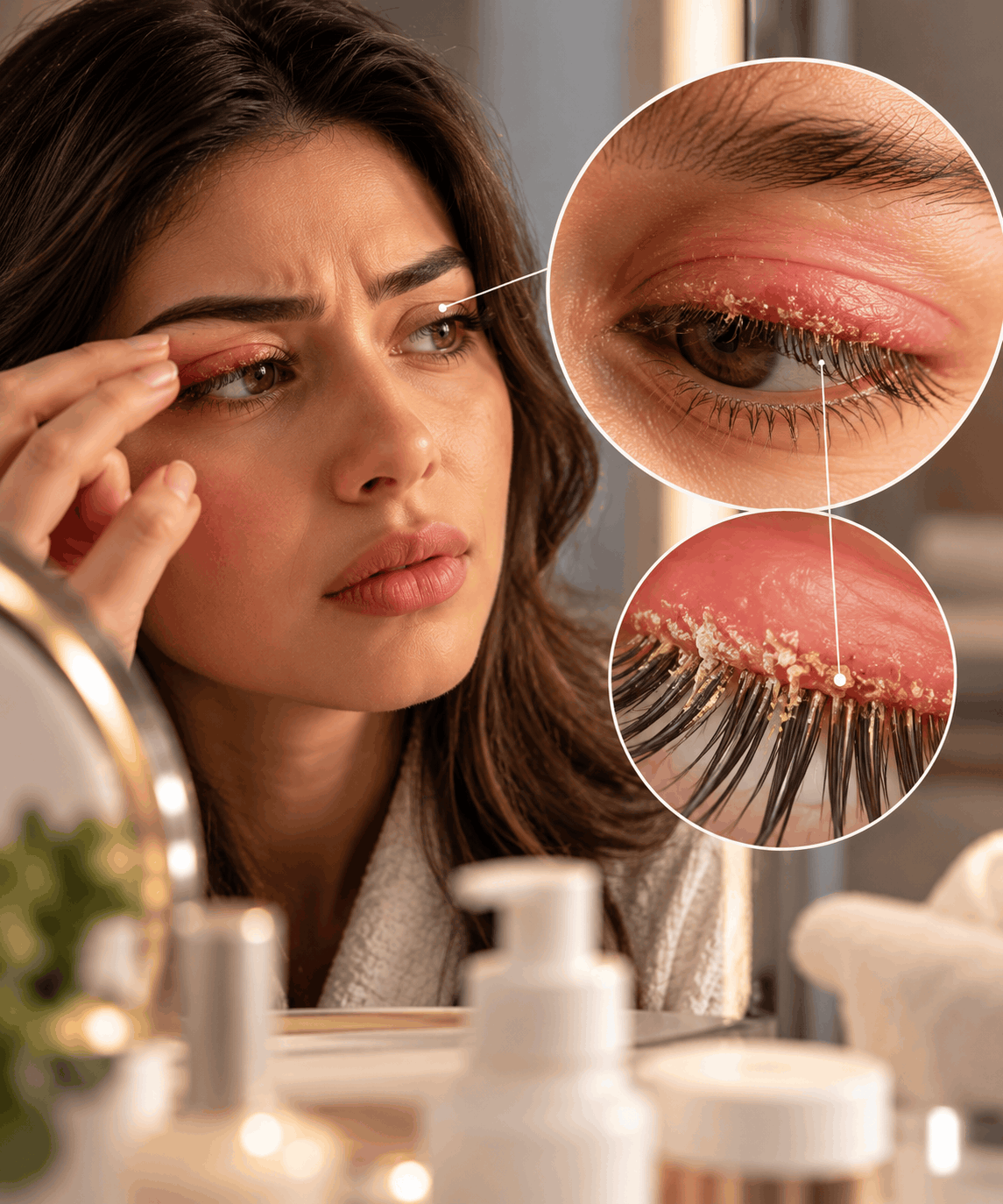
Blepharitis is an inflammatory condition affecting the eyelid margins, particularly the area around the eyelashes and the oil-producing glands within the eyelids.
It is a common cause of eye irritation, redness, crusting, and discomfort. It may affect one or both eyes and can occur at any age.
The eyelids play an important role in protecting the eyes and maintaining a healthy tear film. When inflammation affects the eyelid margins or their oil glands, the tear film may become unstable, contributing to dry eye symptoms and fluctuating vision.
There are two main forms of blepharitis:
1. Anterior Blepharitis
Anterior blepharitis affects the front edge of the eyelid, where the eyelashes emerge.
It is commonly associated with bacterial overgrowth, seborrheic dermatitis, and, in some patients, Demodex mites.
Typical findings include redness and flakes or crusts around the eyelashes.
2. Posterior Blepharitis
Posterior blepharitis affects the inner eyelid margin and is closely associated with meibomian gland dysfunction (MGD).
The meibomian glands produce oils that help prevent tears from evaporating too quickly. When these glands become obstructed or inflamed, the quality of the tear film may deteriorate.
Many patients have features of both anterior and posterior blepharitis.
Blepharitis is often a chronic or recurrent condition rather than a short-lived infection. It is not generally contagious.
Although it usually does not cause permanent damage to vision, persistent or severe inflammation can contribute to dry eye disease, recurrent eyelid lumps, and occasional corneal complications.
With appropriate treatment and a consistent eyelid care routine, most patients can achieve better symptom control and improved eye comfort.
Symptoms
Symptoms of blepharitis vary in severity and may fluctuate over time.
Common symptoms include:
• Red or swollen eyelid margins.
• Itching around the eyelids or eyelashes.
• Burning or stinging sensations.
• Crusting or flaky debris at the base of the eyelashes.
• Eyelids sticking together, particularly upon waking.
• A gritty or foreign-body sensation.
• Watery or irritated eyes.
• Dry eye symptoms.
• Sensitivity to light.
• Intermittent blurred vision that may improve after blinking.
• Discomfort when wearing contact lenses.
Some patients notice symptoms most strongly in the morning, while others experience irritation throughout the day.
Associated eyelid changes may include:
• Thickened or inflamed eyelid margins.
• Recurrent chalazia or styes.
• Abnormal eyelash growth or loss of eyelashes.
• Changes in the appearance or function of the meibomian glands.
When blepharitis affects the tear film, vision may fluctuate during reading, screen use, or other activities that require prolonged visual concentration.
Severe inflammation may occasionally affect the corneal surface.
Important Warning Signs
Significant eye pain, a painful red eye, persistent or sudden reduction in vision, or marked light sensitivity requires prompt ophthalmic assessment.
These symptoms should not automatically be attributed to ordinary blepharitis, as they may indicate a more serious eye condition.
Causes
Blepharitis can develop through several mechanisms, and more than one cause may be present in the same patient.
1. Bacterial Overgrowth
Bacteria normally live on the skin and eyelid margins.
In some patients, changes in the local bacterial environment contribute to eyelid inflammation, irritation, and crust formation.
Staphylococcal-associated blepharitis is one recognized form of anterior blepharitis.
2. Seborrheic Dermatitis
Seborrheic dermatitis is a skin condition that can cause oily or flaky skin on the scalp, eyebrows, and face.
When it affects the eyelid margins, it may contribute to anterior blepharitis.
3. Meibomian Gland Dysfunction (MGD)
The meibomian glands produce an oily component of the tear film.
When their openings become blocked or their secretions change, the eyelid margins may become inflamed and tears may evaporate more quickly.
This is a major mechanism of posterior blepharitis.
4. Rosacea
Rosacea is an inflammatory condition that commonly affects facial skin.
Ocular rosacea may involve the eyelids and meibomian glands, contributing to chronic blepharitis and ocular surface irritation.
5. Demodex Mites
Demodex mites naturally inhabit hair follicles and associated glands in many people.
In certain patients, Demodex infestation is associated with characteristic cylindrical debris around the eyelashes and inflammation of the eyelid margins.
6. Other Skin and Ocular Surface Conditions
Allergic, inflammatory, and dermatological conditions may contribute to eyelid irritation or coexist with blepharitis.
Dry eye disease frequently occurs alongside blepharitis, especially when meibomian gland dysfunction is present.
Because several mechanisms can produce similar symptoms, an ophthalmic examination helps determine the most appropriate treatment.
Risk Factors
Several conditions and characteristics may increase the likelihood of blepharitis or contribute to recurring symptoms.
These include:
• Seborrheic dermatitis or persistent scalp dandruff.
• Rosacea or ocular rosacea.
• Oily skin.
• Meibomian gland dysfunction.
• Demodex-associated eyelid inflammation.
• Existing dry eye disease.
• Certain chronic inflammatory skin disorders.
• A history of recurrent chalazia or styes.
• Inadequate removal of eye makeup or accumulation of debris around the eyelashes.
Blepharitis can affect people of all ages.
Some associated conditions become more common with age, particularly meibomian gland dysfunction.
Environmental irritation and contact lens wear may aggravate symptoms in some patients, although they are not necessarily the underlying cause.
Having one or more risk factors does not mean blepharitis will definitely develop.
Identifying contributing conditions can help improve long-term symptom management.
Diagnosis
Blepharitis is usually diagnosed through a detailed eye examination, with particular attention to the eyelid margins, eyelashes, tear film, and ocular surface.
The ophthalmologist may perform the following assessments:
1. Medical History and Symptom Assessment
The doctor reviews symptoms such as itching, burning, crusting, watering, and fluctuating vision.
Questions may cover the duration of symptoms, morning discomfort, previous treatment, contact lens use, and a history of rosacea, dandruff, or dry eye disease.
2. External Eyelid Examination
The eyelids are examined for redness, swelling, crusts, abnormal eyelash growth, and changes in the eyelid margins.
3. Slit-Lamp Examination
A slit-lamp microscope provides a magnified view of the eyelashes, eyelid margins, meibomian gland openings, cornea, conjunctiva, and tear film.
The examination helps distinguish anterior and posterior blepharitis and identify associated ocular surface problems.
4. Meibomian Gland Assessment
The ophthalmologist evaluates gland openings and the quality of meibomian secretions.
Thickened secretions, reduced oil expression, or blocked gland openings may suggest meibomian gland dysfunction.
5. Tear Film and Ocular Surface Assessment
When dry eye symptoms are present, additional tests may include tear break-up time and ocular surface staining.
These help evaluate tear film instability and possible corneal or conjunctival damage.
6. Assessment for Demodex
Characteristic cylindrical debris at the base of the eyelashes may suggest Demodex blepharitis.
In selected cases, eyelashes may be examined microscopically or other specialist techniques may be used.
7. Additional Investigations
Microbiological cultures or further evaluation may be appropriate in severe, atypical, recurrent, or treatment-resistant cases.
Not every patient requires laboratory testing or specialized imaging.
If inflammation is unusually localized, affects only one eyelid, causes significant eyelash loss, or does not improve with appropriate treatment, further assessment may be necessary to exclude other eyelid disorders.
The diagnosis is based mainly on the medical history and clinical examination, allowing treatment to be tailored to the underlying causes.
Treatment Options
The main goals of blepharitis treatment are to reduce eyelid inflammation, remove accumulated debris, improve tear film function, and relieve symptoms.
Treatment depends on whether the patient has anterior blepharitis, posterior blepharitis, Demodex-associated disease, or a combination of these conditions.
1. Regular Eyelid Hygiene
Consistent eyelid cleaning is a fundamental part of blepharitis management.
Cleaning helps remove crusts, excess oils, and debris from the eyelid margins and eyelashes.
The ophthalmologist may recommend commercially prepared eyelid wipes or another gentle cleansing method appropriate for the patient's condition.
Because blepharitis often recurs, patients may need to continue an eyelid care routine even after symptoms improve.
2. Warm Compresses
A comfortably warm compress applied to closed eyelids can help soften crusts and improve the flow of oil from the meibomian glands.
Warm compresses are especially useful when posterior blepharitis or meibomian gland dysfunction is present.
The compress should not be excessively hot.
Gentle eyelid massage may be recommended in selected patients, particularly when meibomian gland secretions are obstructed.
3. Artificial Tears and Lubricants
When blepharitis is associated with tear film instability or dry eye symptoms, lubricating eye drops can help reduce irritation and improve comfort.
Preservative-free preparations may be preferred when frequent use is necessary.
Artificial tears relieve symptoms but do not necessarily address the underlying eyelid inflammation.
4. Antibiotic Treatment
For selected cases involving bacterial-associated inflammation, the ophthalmologist may prescribe topical antibiotic ointment or other appropriate medication.
Oral antibiotics may sometimes be used for persistent posterior blepharitis associated with significant meibomian gland dysfunction or ocular rosacea.
Antibiotics are not necessary for every patient.
The choice of medicine and treatment duration depend on the clinical findings, medical history, and potential side effects.
5. Anti-Inflammatory Medication
In patients with significant eyelid or ocular surface inflammation, carefully supervised anti-inflammatory treatment may be appropriate.
Short courses of corticosteroid eye drops or other prescription treatments may be considered in selected cases.
Steroid eye drops should not be used without ophthalmic supervision because they may increase intraocular pressure and cause other complications.
6. Demodex-Directed Treatment
When Demodex blepharitis is diagnosed, targeted treatment may be considered.
Management may include specially formulated eyelid hygiene products or prescription treatments where approved and available.
Treatment choice should be guided by the ophthalmologist and should not involve applying undiluted essential oils or potentially irritating products directly to the eyes.
7. Treatment of Associated Conditions
Managing conditions such as rosacea, seborrheic dermatitis, dry eye disease, or meibomian gland dysfunction can improve overall control of blepharitis.
In selected patients with persistent meibomian gland dysfunction, specialist in-office gland treatments may be considered.
Evidence and suitability vary between procedures, so they are not routine treatments for everyone.
8. Long-Term Follow-Up
Blepharitis is commonly a chronic condition that requires ongoing care.
Symptoms may improve substantially with treatment but can return if maintenance measures are stopped.
Follow-up allows the ophthalmologist to evaluate treatment response, identify associated dry eye or corneal complications, and adjust the management plan.
Most patients can control symptoms successfully with a combination of consistent eyelid care and treatment of the underlying contributing factors.
Prevention & Care
Blepharitis cannot always be prevented, but good eyelid hygiene and appropriate management of associated conditions may reduce flare-ups and improve long-term comfort.
Recommended measures include:
• Clean the eyelid margins regularly using the method recommended by your ophthalmologist.
• Apply comfortably warm compresses when advised, especially if meibomian gland dysfunction is present.
• Avoid rubbing or scratching irritated eyelids.
• Wash your hands before touching your eyes or performing eyelid care.
• Remove eye makeup thoroughly and gently.
• Avoid eye makeup during active inflammation when it worsens symptoms.
• Follow appropriate contact lens hygiene and consider temporarily avoiding lenses during symptomatic flare-ups.
• Manage associated scalp dandruff, rosacea, or other skin conditions.
• Use prescribed medications exactly as directed.
• Attend follow-up appointments if symptoms are persistent or recurrent.
• Avoid sharing eye makeup and replace products that may be contaminated.
Daily Eyelid Care
A simple eyelid care routine may include:
1. Washing hands thoroughly.
2. Applying a clean, comfortably warm compress to closed eyelids.
3. Gently cleaning the eyelid margins with a suitable eyelid cleanser or wipe.
4. Following any additional treatment instructions provided by the ophthalmologist.
Use a clean cloth or applicator for each eye to avoid transferring debris.
Do not apply harsh soaps, strong antiseptics, or undiluted essential oils to the eyelids or eyes.
When Should You See an Eye Doctor?
Arrange an ophthalmic examination if you experience:
• Persistent redness or irritation of the eyelid margins.
• Recurrent crusting around the eyelashes.
• Frequent styes or chalazia.
• Persistent dry eye symptoms.
• Symptoms that do not improve with appropriate eyelid care.
• Loss of eyelashes or unusual changes affecting one eyelid.
Seek urgent assessment for significant eye pain, severe redness, marked light sensitivity, or reduced vision.
With consistent care and appropriate treatment, most patients can achieve better control of blepharitis symptoms.
Frequently Asked Questions
What is blepharitis?
Is blepharitis contagious?
What causes blepharitis?
What is the difference between anterior and posterior blepharitis?
Can blepharitis cause dry eyes?
Is blepharitis painful?
Can blepharitis affect vision?
Can blepharitis be cured permanently?
How is blepharitis diagnosed?
Do warm compresses help blepharitis?
Are antibiotics necessary for blepharitis?
What is Demodex blepharitis?
Can I wear contact lenses with blepharitis?
Can I wear eye makeup if I have blepharitis?
Does blepharitis cause styes or chalazia?
How often should I clean my eyelids?
When should I seek urgent medical care?
Our team can help you with an individual medical assessment.