
What Is It?
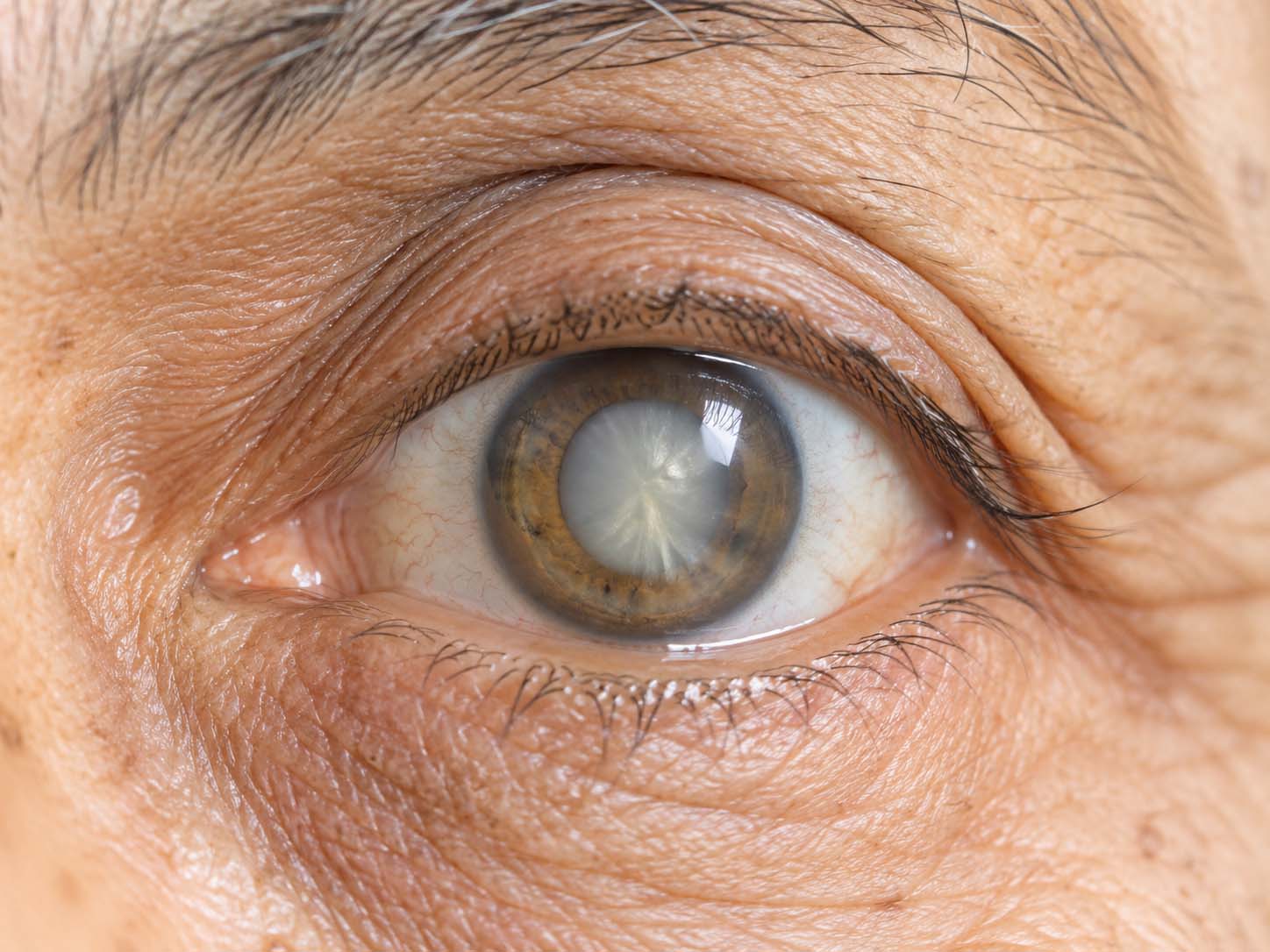
A cataract is a clouding of the eye’s natural lens, which is normally clear and helps focus light onto the retina. As the lens becomes cloudy, less light passes through clearly, causing vision to appear blurred, hazy, or less colorful.
Cataracts usually develop gradually and are most commonly associated with aging. They may affect one or both eyes, although the severity can differ between them.
In the early stages, changes in vision may be mild. As cataracts progress, everyday activities such as reading, driving, and recognizing faces may become more difficult.
Cataracts are treatable. When vision becomes significantly affected, surgery can remove the cloudy lens and replace it with a clear artificial intraocular lens (IOL).
Symptoms
Cataract symptoms usually develop gradually and are generally painless. Common signs include:
Blurred, cloudy, or hazy vision.
Increased sensitivity to bright light and glare.
Difficulty seeing clearly at night, particularly while driving.
Halos around lights.
Colors appearing faded or yellowish.
Needing brighter lighting for reading.
Frequent changes in eyeglass prescriptions.
Double or ghosted vision in one eye.
Symptoms vary depending on the type and severity of the cataract. A comprehensive eye examination is needed to determine whether cataracts or another eye condition are responsible for visual changes.
Causes
Most cataracts develop as part of the natural aging process.
Over time, proteins and other components within the eye’s lens undergo structural changes. These changes reduce the lens’s transparency and scatter incoming light, making vision less clear.
Cataracts can also develop in association with eye injuries, certain medical conditions, prolonged corticosteroid use, previous eye surgery, or radiation exposure.
Some cataracts are present at birth or develop during childhood. These require specialized pediatric eye assessment.
Risk Factors
Several factors may increase the likelihood of developing cataracts:
Increasing age.
Diabetes mellitus.
A family history of cataracts.
Smoking.
Prolonged exposure to ultraviolet (UV) radiation.
Long-term use of corticosteroid medications.
Previous eye injuries or certain eye surgeries.
Certain inflammatory eye conditions, such as uveitis.
Previous exposure to radiation.
Having one or more risk factors does not necessarily mean a cataract will develop.
Diagnosis
Cataracts are diagnosed through a comprehensive eye examination performed by an eye care professional.
The assessment may include:
Medical and visual history: Reviewing symptoms, medications, general health, and how vision changes affect daily activities.
Visual acuity testing: Measuring how clearly the patient sees at different distances.
Refraction assessment: Determining whether changes in eyeglass prescription may improve vision.
Slit-lamp examination: Examining the eye’s lens under magnification to assess the location and severity of the cataract.
Dilated eye examination: Evaluating the retina and other structures to identify additional causes of reduced vision.
Intraocular pressure measurement: Checking eye pressure as part of the overall eye health assessment.
If cataract surgery is being considered, additional measurements, including ocular biometry and corneal measurements, help determine the appropriate intraocular lens power.
Treatment Options
Treatment depends on the severity of the cataract and its effect on everyday vision.
Early-stage management
When symptoms are mild, vision may be improved temporarily through updated eyeglasses, brighter lighting, anti-glare sunglasses, or reading aids. These measures do not remove the cataract.
Cataract surgery
Surgery is the only established treatment that removes a cataract.
During surgery, the cloudy natural lens is removed and usually replaced with a clear artificial intraocular lens (IOL). Phacoemulsification, which uses ultrasound energy to break up the cloudy lens, is a commonly used surgical technique.
The procedure is generally performed using local anesthesia, often with numbing eye drops, and most patients return home the same day.
When is surgery recommended?
Surgery is commonly considered when cataracts interfere with daily activities, such as reading, driving, working, or other tasks important to the patient. The decision is based on individual symptoms, eye health, visual needs, and discussion with the ophthalmologist.
Most age-related cataracts do not require immediate surgery.
After surgery
Vision often improves after cataract surgery, although the final outcome depends partly on the health of other eye structures. Postoperative eye drops, scheduled follow-up appointments, and adherence to the surgeon’s instructions are important for recovery.
As with any operation, cataract surgery carries risks, including infection, inflammation, swelling, and retinal complications. The ophthalmologist will explain the benefits and possible risks before treatment.
Prevention & Care
There is no guaranteed way to prevent age-related cataracts. However, several healthy habits may help reduce certain risk factors and support long-term eye health:
Wear sunglasses that provide appropriate UVA and UVB protection outdoors.
Avoid smoking.
Manage diabetes and other chronic health conditions.
Attend regular eye examinations, particularly with increasing age or existing risk factors.
Use corticosteroid medications only as prescribed and discuss any concerns about prolonged use with your treating physician.
Seek professional advice if vision changes begin affecting daily activities.
Sudden vision loss, severe eye pain, or an abrupt change in vision is not typical of an uncomplicated age-related cataract and requires urgent medical assessment.
Frequently Asked Questions
What is a cataract?
Can cataracts cause blindness?
Are cataracts painful?
Can cataracts be treated without surgery?
When should I consider cataract surgery?
Is cataract surgery safe?
Will I still need glasses after surgery?
Can cataracts return after surgery?
Our team can help you with an individual medical assessment.