
Understand Your Eyes.
Protect Your Vision.
Explore trusted information about eye conditions, diagnostic investigations, treatment options, and everyday eye care.
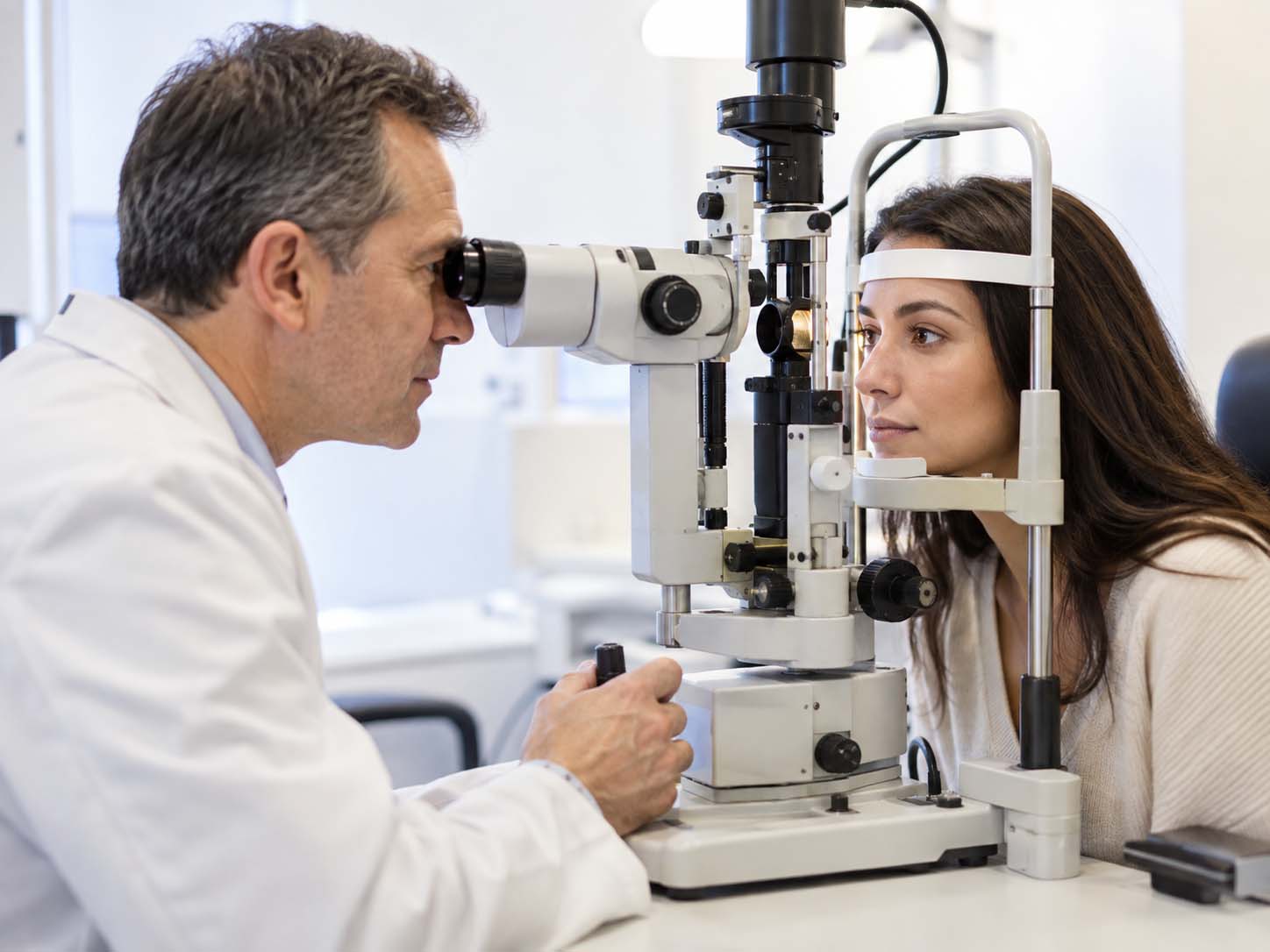
Common Eye
Conditions
Understanding eye diseases can help you recognize important changes in vision and seek appropriate ophthalmic care at the right time.
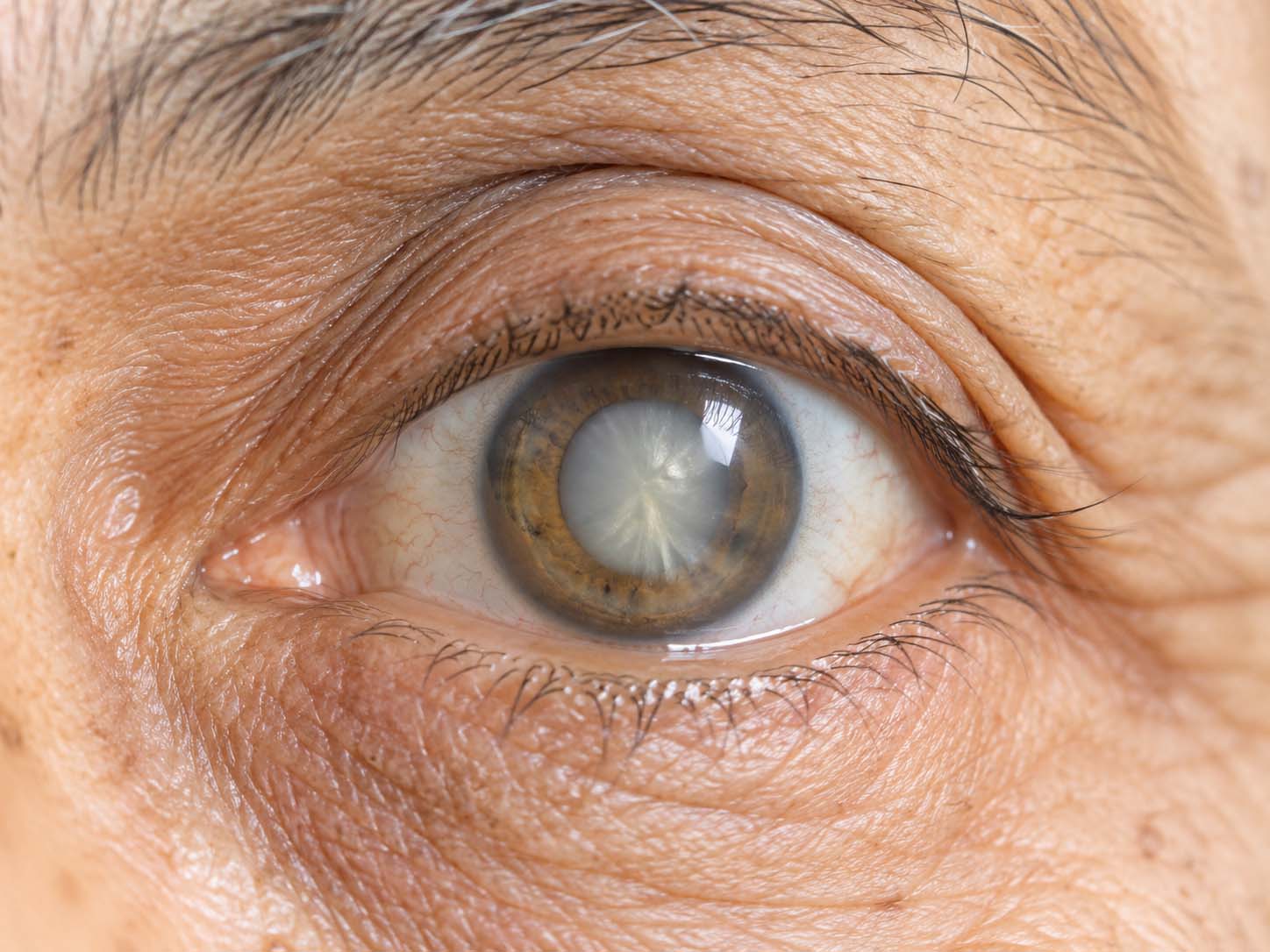
Cataract
Clouding of the eye's natural lens that may cause blurred vision, glare, and difficulty seeing at night.
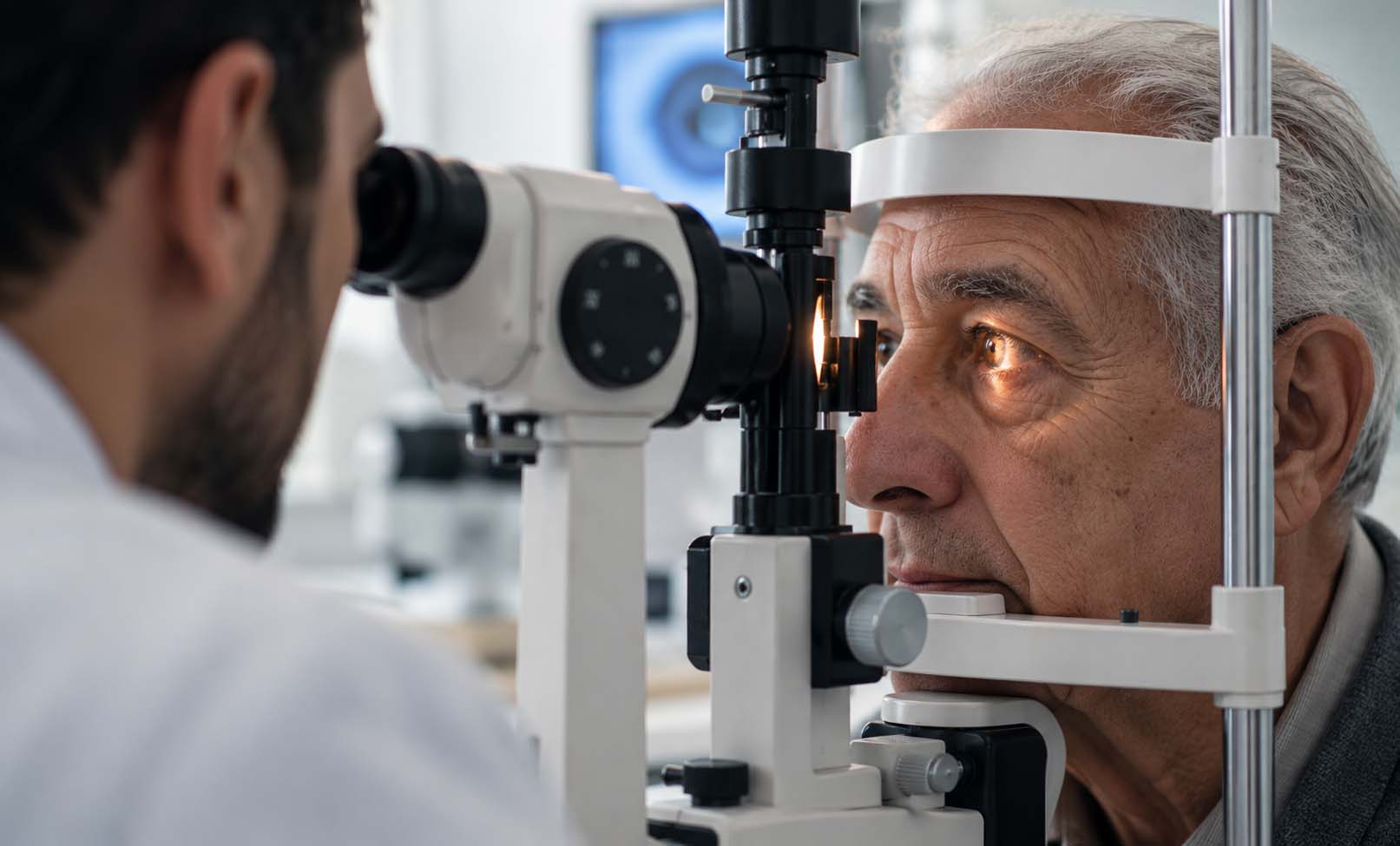
Glaucoma
A group of diseases that may damage the optic nerve and progress without noticeable symptoms.
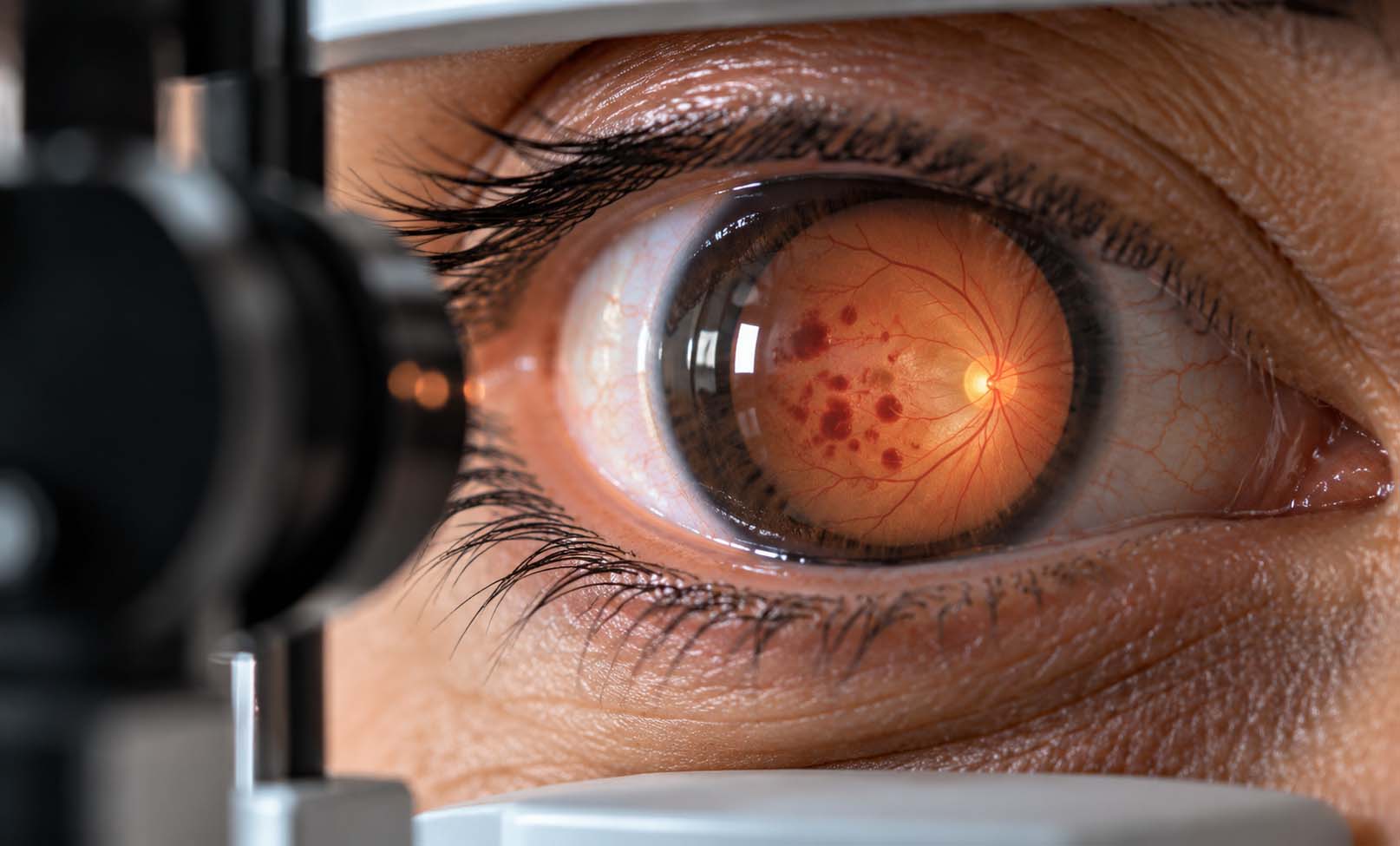
Diabetic Retinopathy
Diabetes can damage retinal blood vessels and affect vision over time.
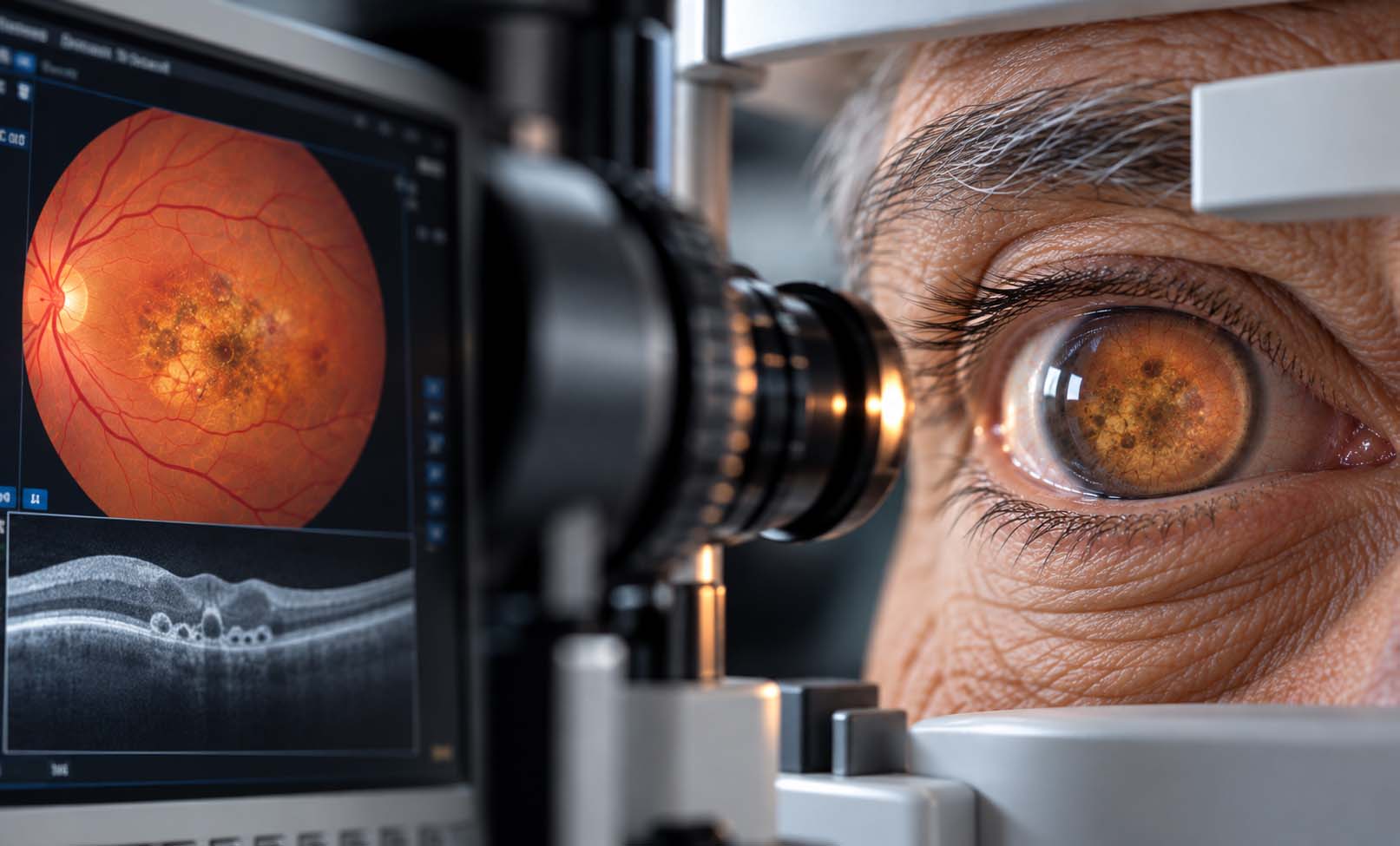
Macular Degeneration
A condition affecting the macula, the part of the retina responsible for central vision.
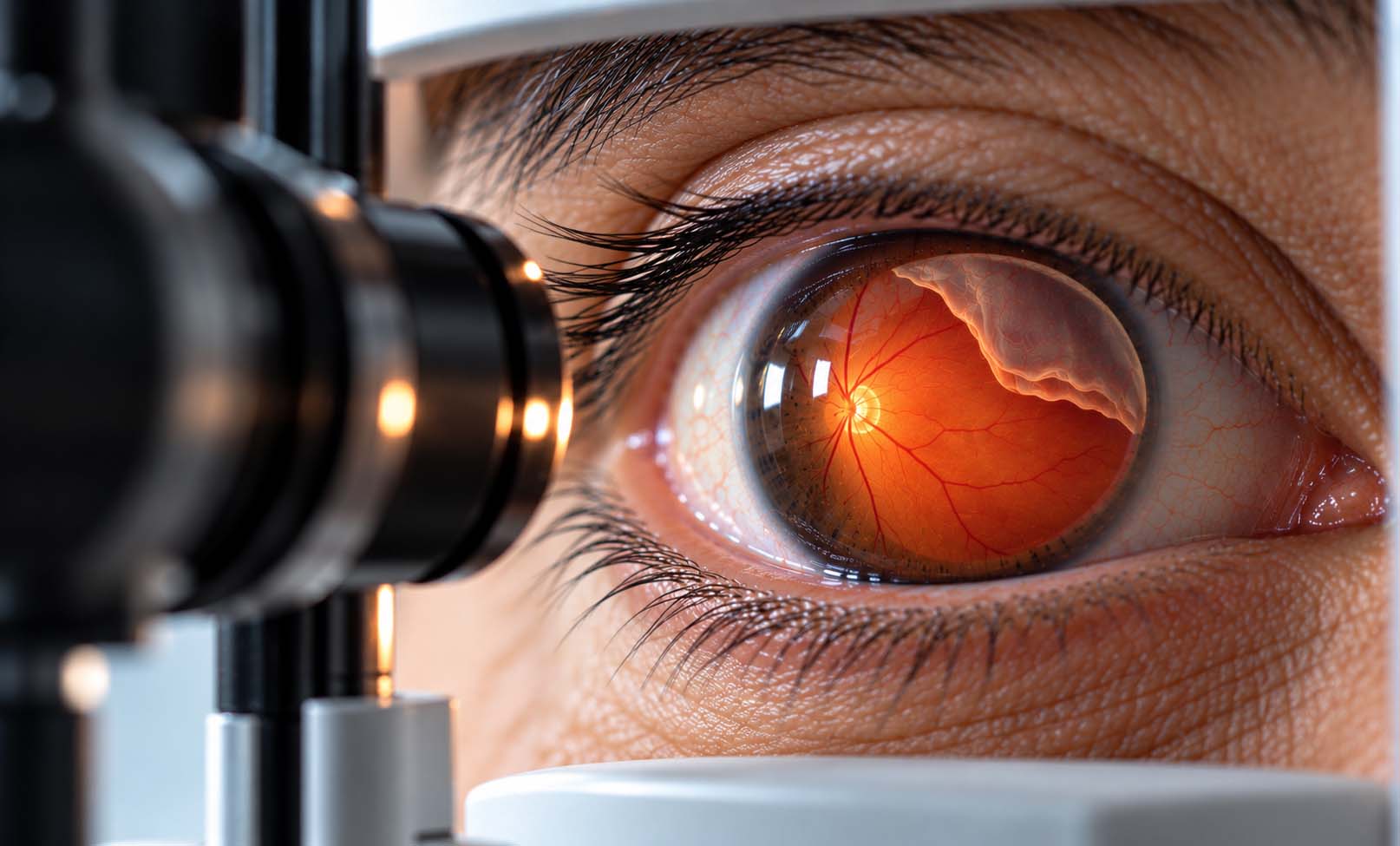
Retinal Detachment
An eye emergency that requires immediate ophthalmic assessment.
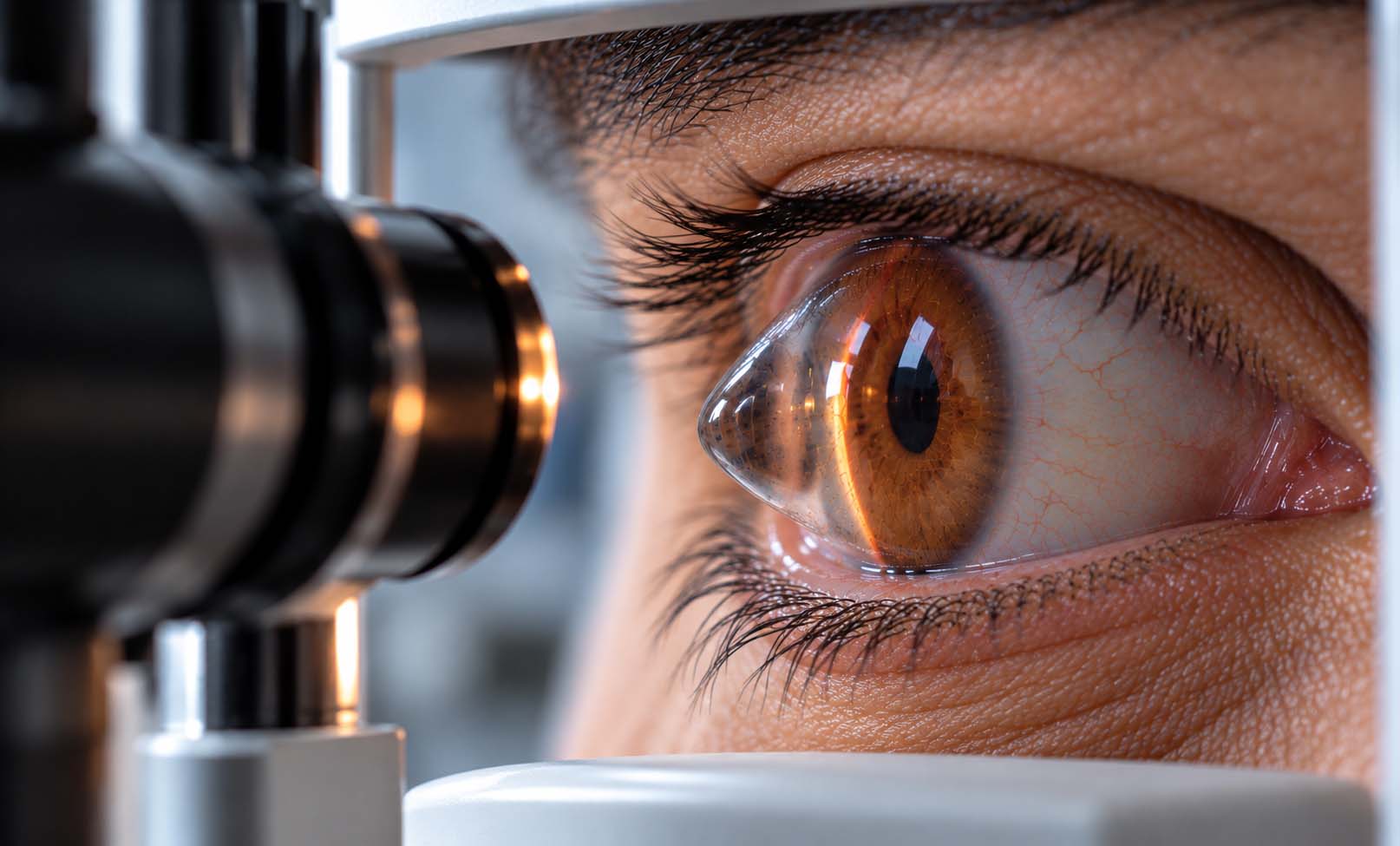
Keratoconus
Progressive thinning and bulging of the cornea that can distort vision.
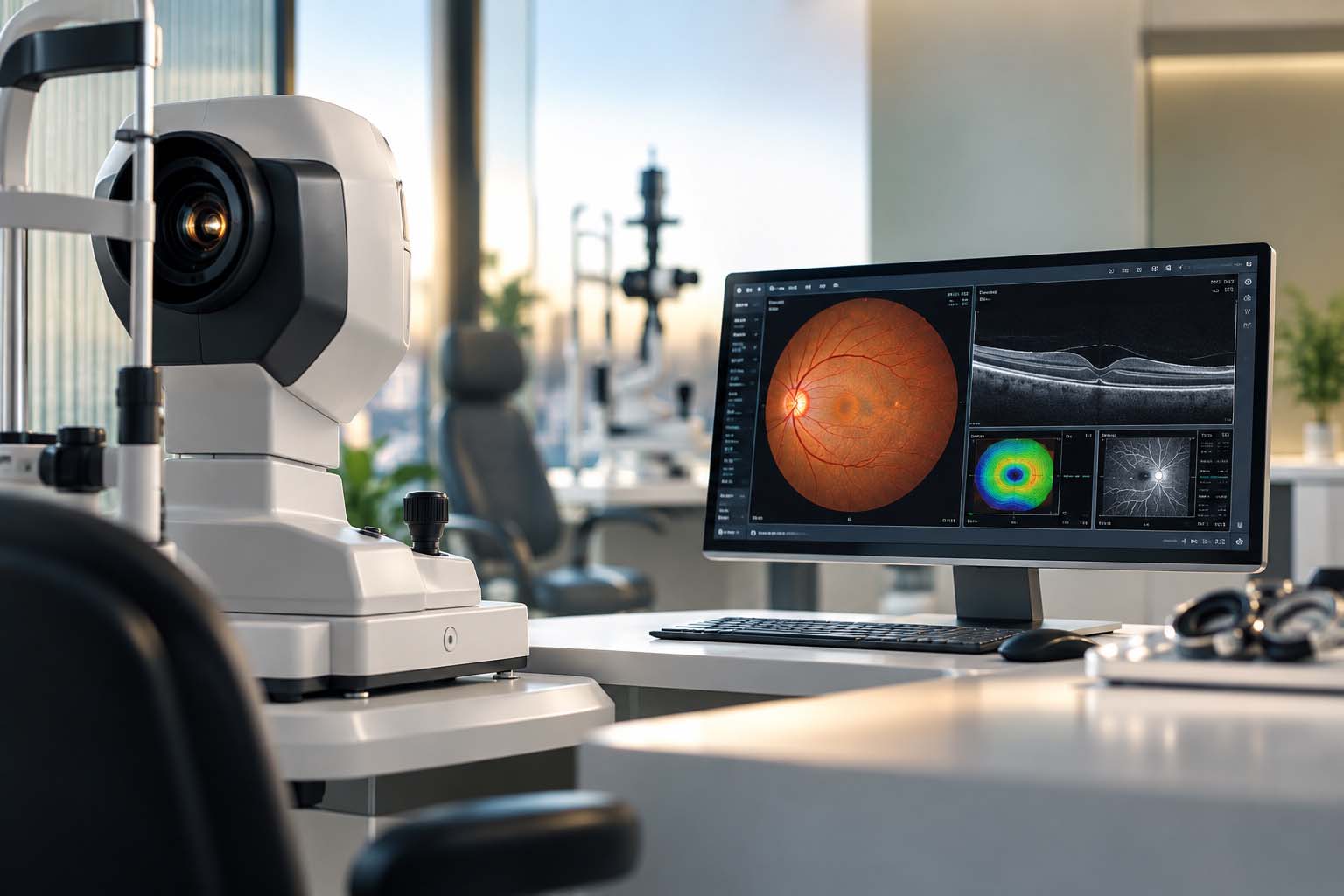
With Diagnosis
Eye
Investigations
Modern ophthalmic investigations allow specialists to examine eye structures in detail, detect abnormalities, and plan suitable treatment.
Advanced Eye
Treatments
Medical, laser, and surgical treatment options across multiple ophthalmic subspecialties.
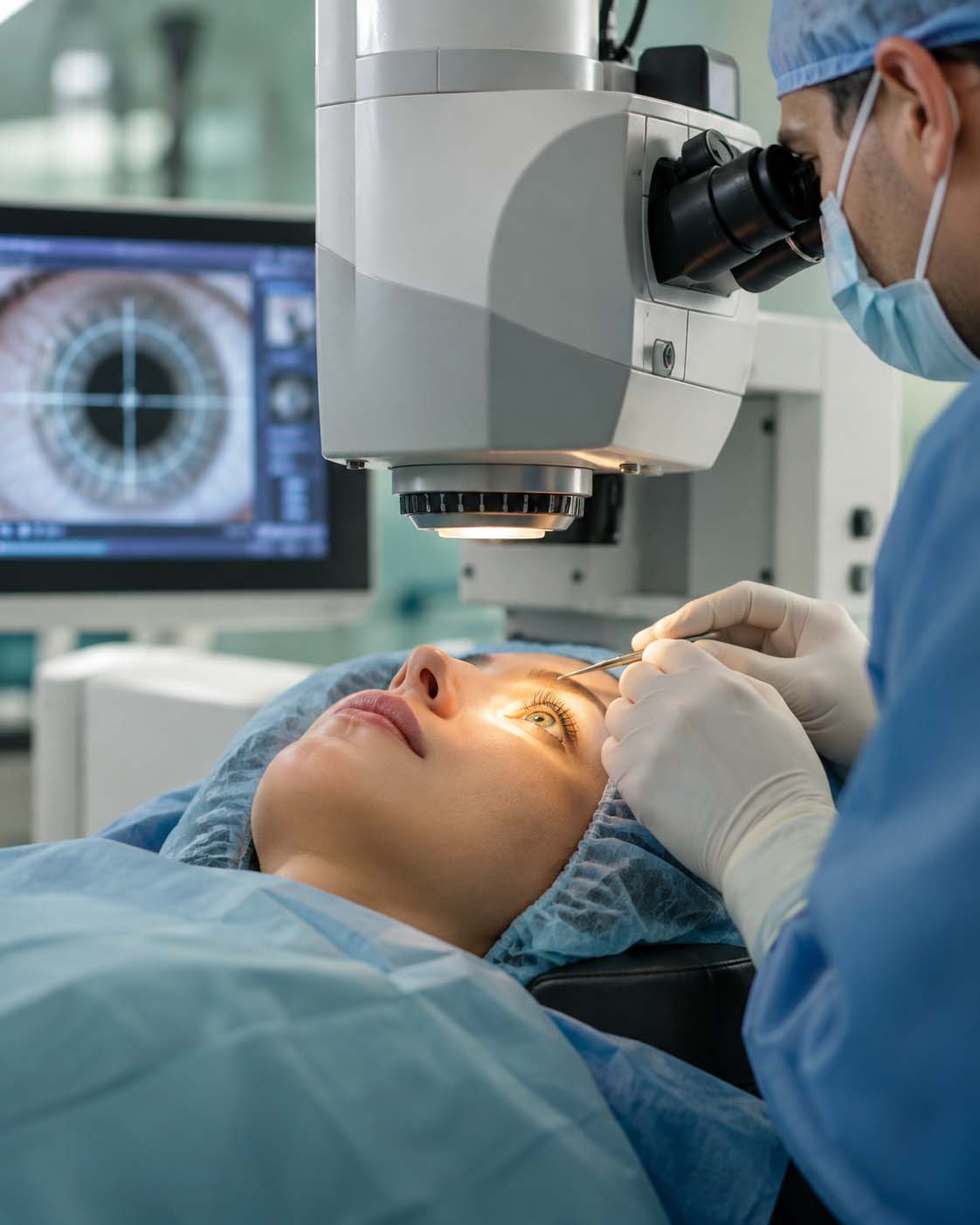
Advanced Ophthalmic Care
Eye Care
Through Life
Vision needs change throughout life. Regular examinations help support healthy vision at every age.
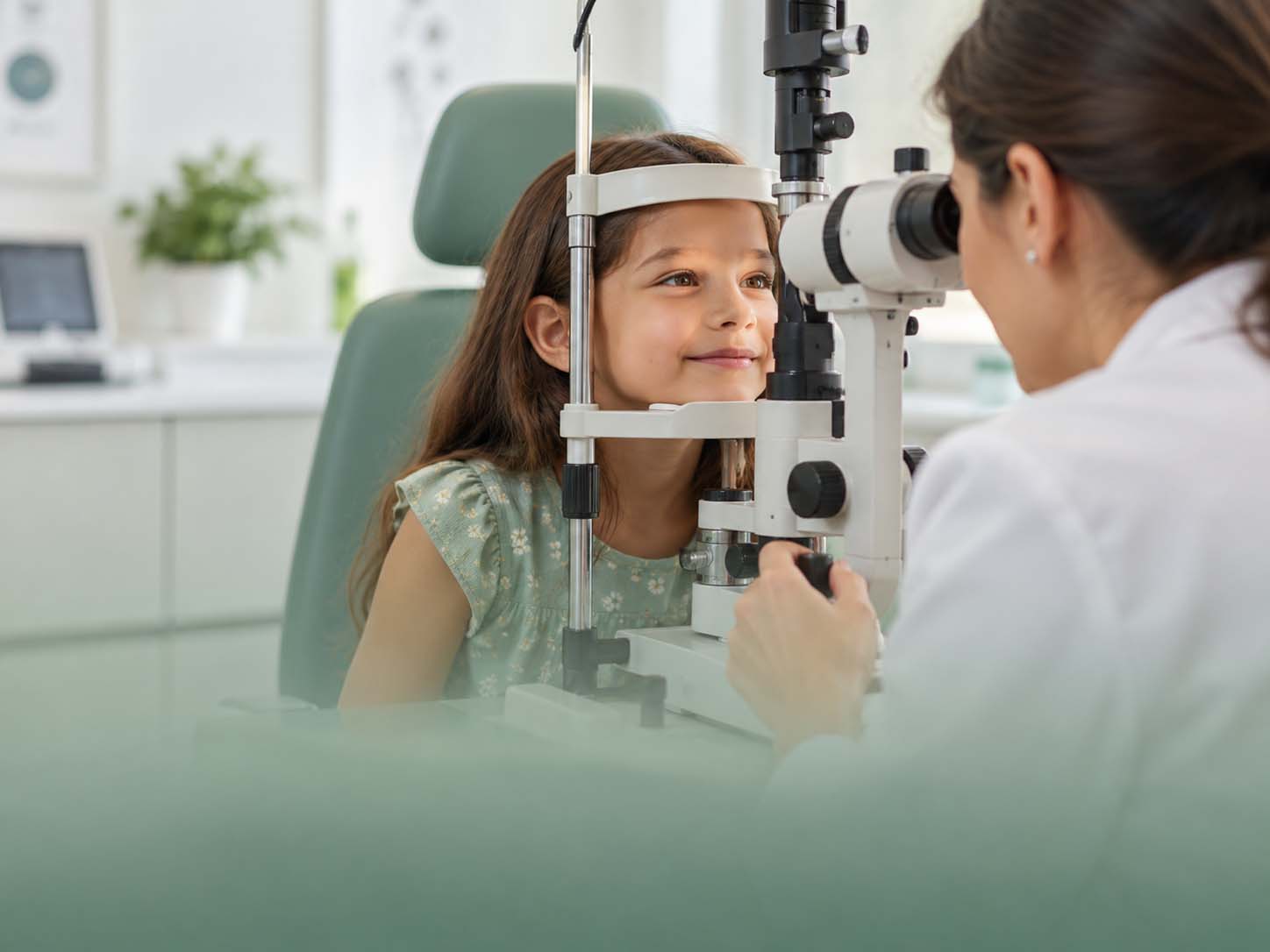
Children
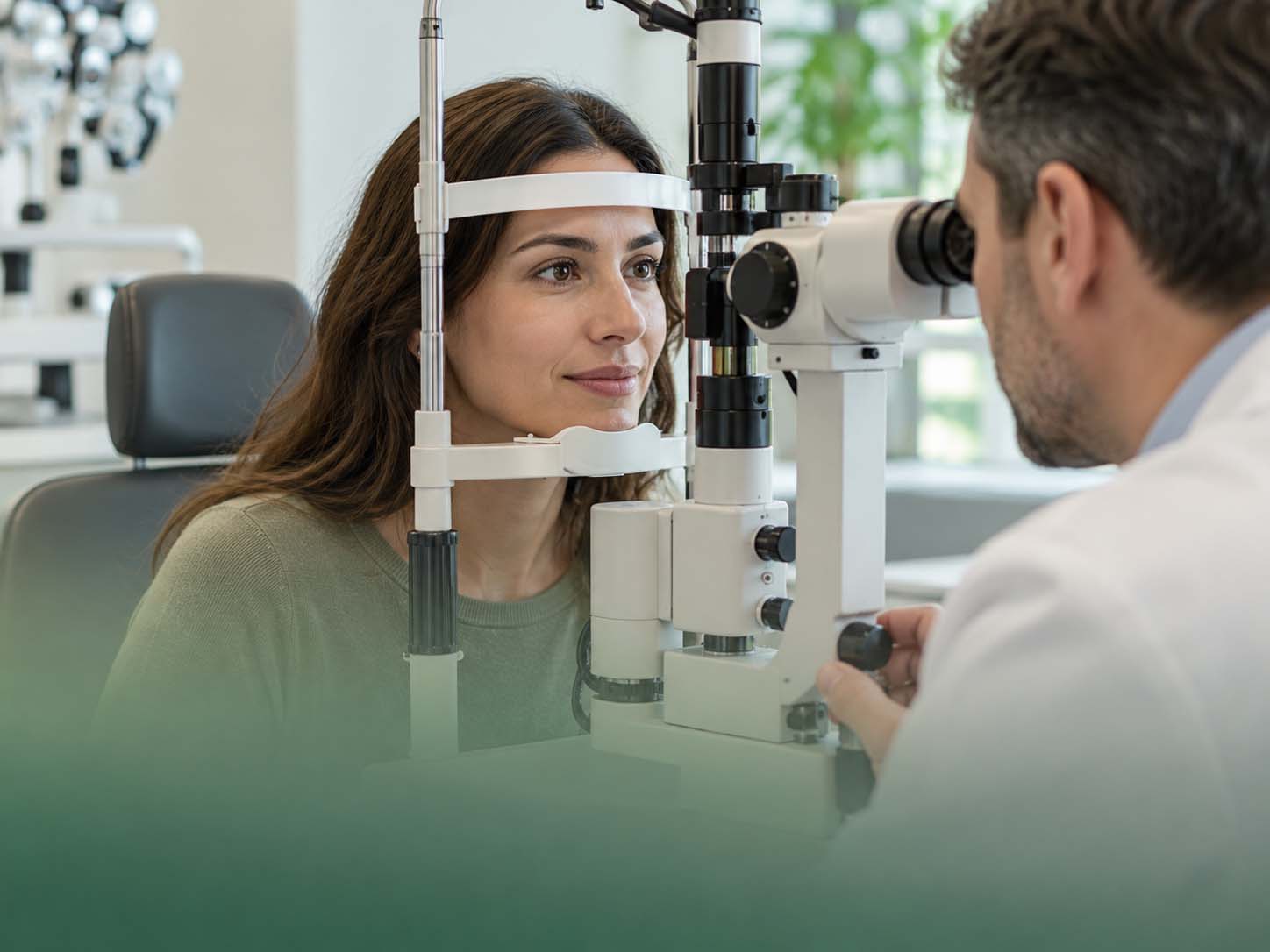
Adults
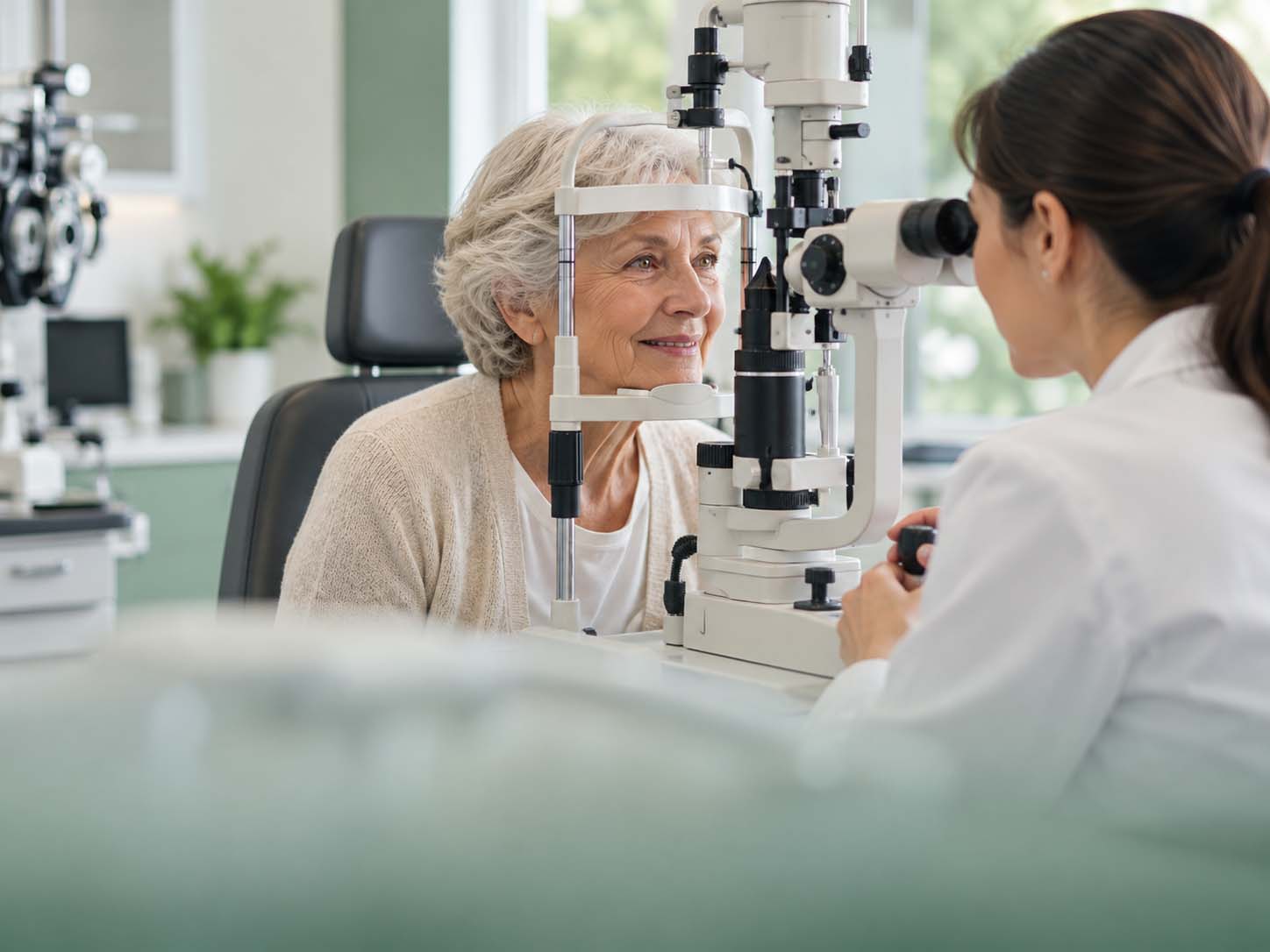
Seniors
Diabetic Eye Care
Regular retinal screening plays an important role in protecting vision for people with diabetes.
Everyday Eye
Care Guides
Practical information designed to help patients understand and protect their vision.

Healthy Vision
Starts Every Day.
Eye Health
FAQs
Clear answers to common questions about eye health, examinations, and treatment.
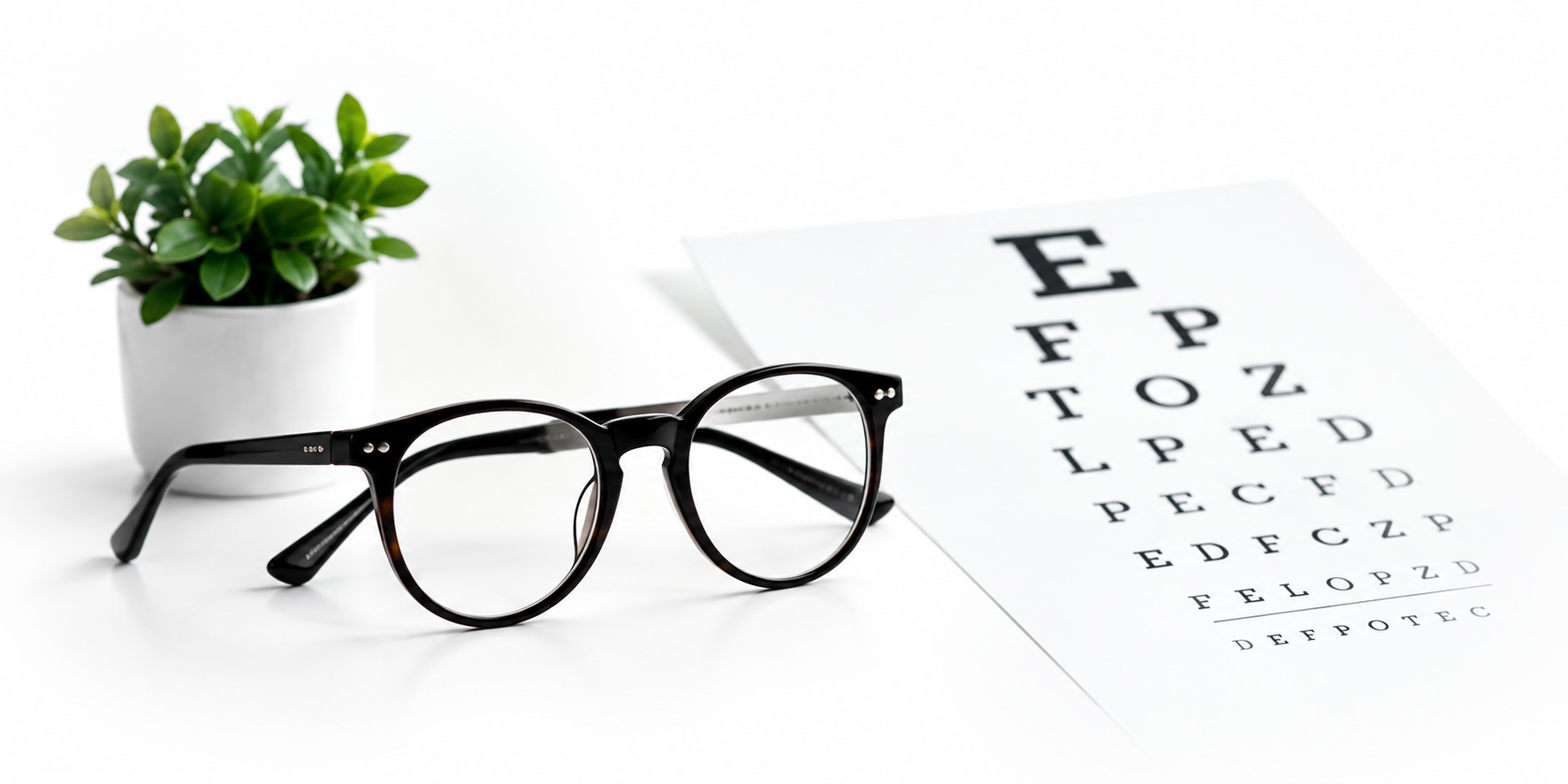
Regular eye examinations can help detect changes in vision and eye disease at an early stage.
Your ophthalmologist can explain the procedure, anesthesia, expected recovery, and what to expect before surgery.
Glaucoma requires early diagnosis and long-term monitoring to help preserve vision.
Diabetes can affect retinal blood vessels. Regular retinal screening is important for early detection.
Suitability depends on a detailed eye examination and individualized clinical assessment.
New flashes or floaters can sometimes indicate retinal tears and may require urgent examination.
Have Concerns About Your Eyes?
Book an eye examination with our ophthalmology team.